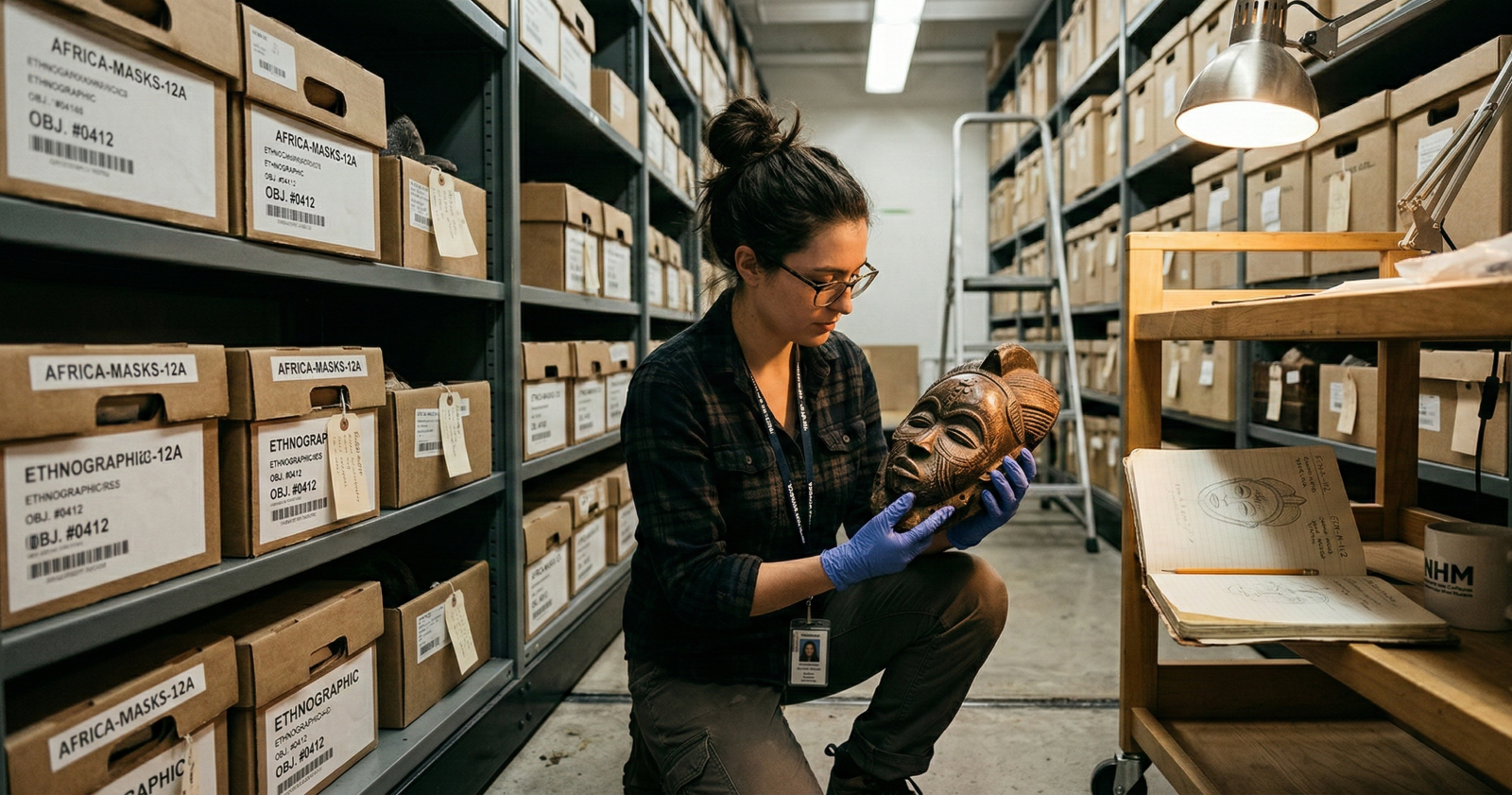
What Can You Do With an Anthropology Degree? Careers, Salaries & How to Get Hired
TL;DR
• An anthropology degree opens doors to careers in UX research, market analysis, public health, nonprofit management, and policy. Employers actively want the research and cultural analysis skills you're building right now.
• You don't need grad school for most of these roles. A bachelor's plus real experience gets you into positions paying $45K to $75K to start.
• The difference-maker is translation. "Ethnographic fieldwork" becomes "qualitative user research" on your resume. Same skills, different packaging.
• Grads who build professional experience before they finish their degree land jobs faster. That's not a theory. It's what hiring data shows.
Explore Externships → Externships are structured programs where you work on real projects for real companies, with guided support from an extern manager. If you're looking for resume-ready experience while you're still in school, this is one of the most direct ways to get it.
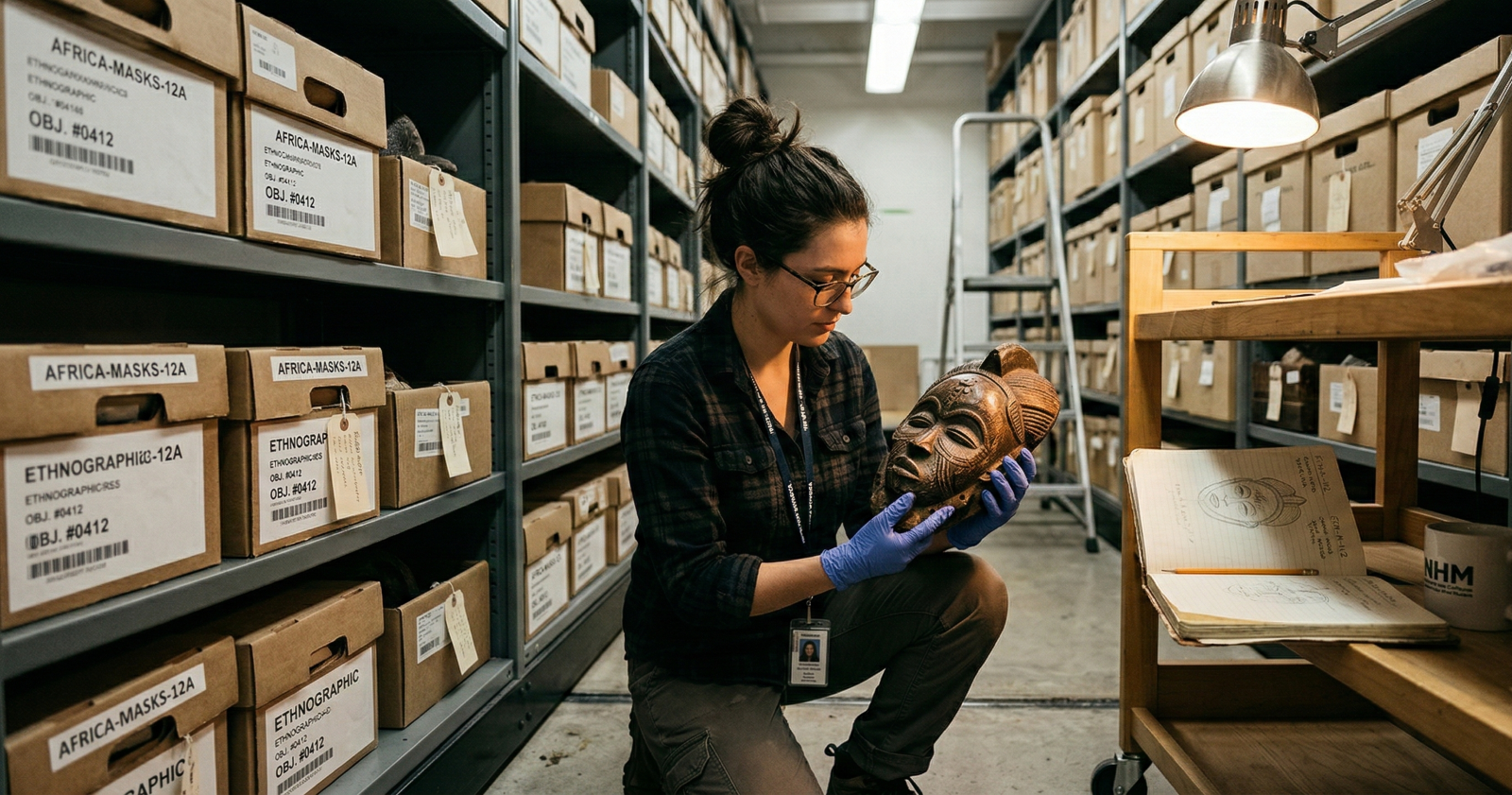
So What Can You Actually Do With an Anthropology Degree?
Short answer: any role where understanding people, cultures, or complex social systems matters. That covers more ground than most students expect. Anthropology grads work in tech companies, hospitals, government agencies, consulting firms, and nonprofits. Some of these roles didn't even have job titles ten years ago.
Why Employers Care About Anthropology Skills
Here's something that might surprise you. Companies are hiring specifically for the kind of thinking you learn in anthropology classes. The BLS projects market research analyst roles (a category that now includes UX researchers) to grow 13% through 2032. That's well above average. And as organizations invest more in DEI, cultural consulting, and understanding global markets, the demand for people who can do serious qualitative research keeps climbing.
At Extern, we've watched anthropology students consistently stand out in Externship projects. They ask sharper questions. They listen differently. That's not a soft skill anyone can fake.
Anthropology vs. What Everyone Thinks Anthropology Is
Here's the gap you're up against. Most people hear "anthropology" and picture someone dusting off pottery fragments in a desert somewhere. The reality? Fewer than 5% of working anthropologists do archaeology. The vast majority apply their training in corporate, nonprofit, and government settings. They're figuring out why patients ignore treatment plans, helping tech companies understand new markets, or designing community health programs that actually work.
That disconnect between perception and reality is frustrating. But it's also your opening, because it means less competition for roles where your training is genuinely useful.
What Jobs Can You Get With an Anthropology Degree?
Jobs for anthropology majors span at least ten distinct paths, and most don't require a graduate degree. Here's where your training maps most directly to real work.
| Career Path | Median / Range Salary | BLS Growth | Degree Needed |
|---|---|---|---|
| UX Researcher | $75K–$120K (mid-career) | 13% | BA + portfolio |
| Market Research Analyst | $74,680 median | 13% | BA |
| Nonprofit Program Manager | $45K–$65K | — | BA |
| Public Health Educator | $62,860 median | 7% | BA |
| Policy Analyst | $50K–$75K | — | BA (MA preferred) |
| Human Resources Specialist | $67,650 median | 6% | BA |
| Museum Curator | $40K–$55K (entry) | 12% | MA typically required |
| Community Dev. Coordinator | $42K–$60K | — | BA |
| Sustainability Analyst | $50K–$70K | — | BA |
| Foreign Service / Int'l Dev | Varies widely | — | BA + language skills |
UX Researcher
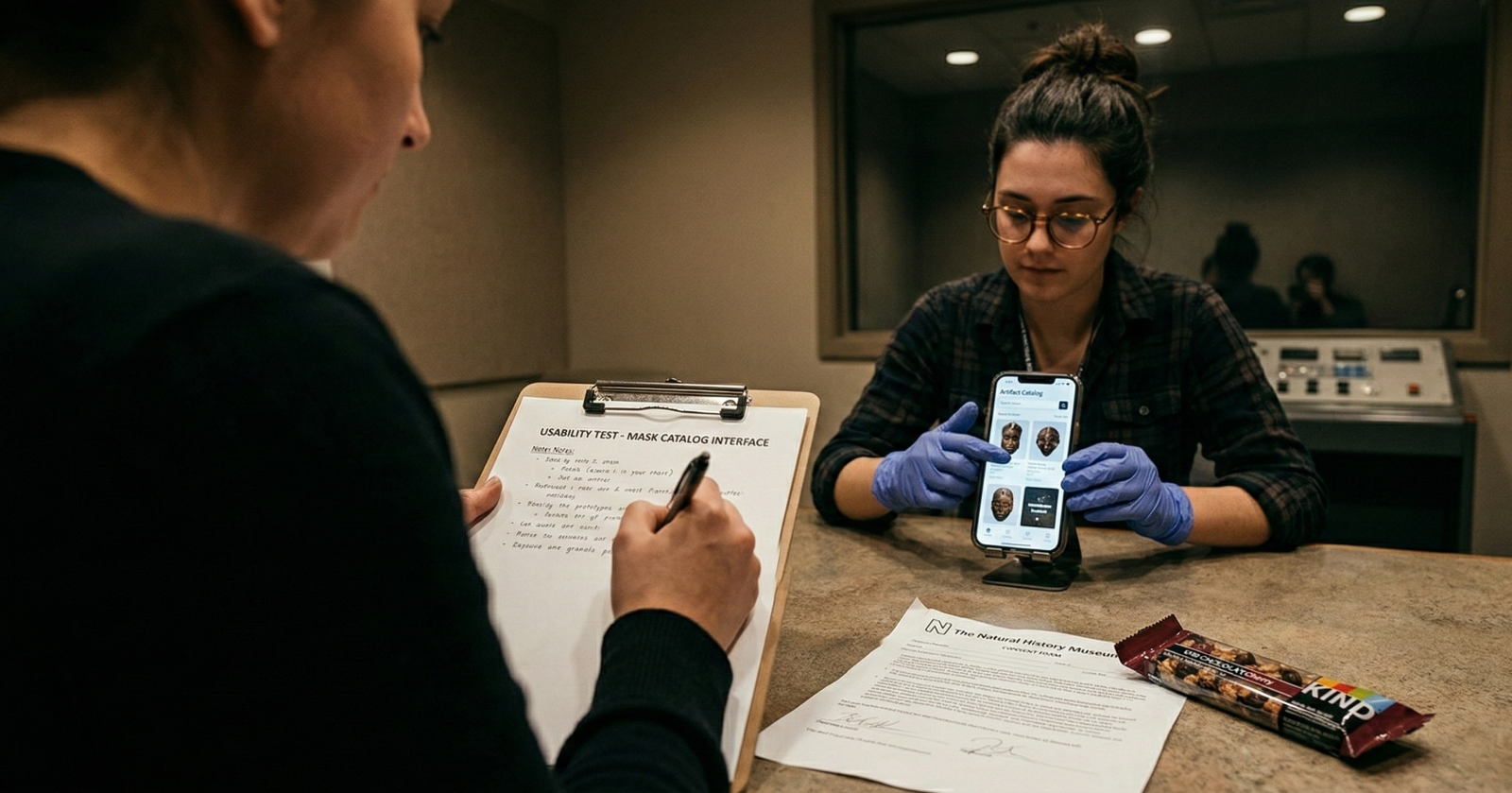
This is the big one. UX research is basically applied ethnography. You observe how people interact with products, run in-depth interviews, conduct usability tests, and turn messy observations into clear design recommendations. Glassdoor puts mid-career UX researcher salaries between $75K and $120K, with senior roles at companies like Google and Meta clearing $130K.
You'll need a portfolio with two or three research projects to land entry-level roles. But here's the good news: you can build those through Externships, class projects, or self-directed studies. You don't need to wait for someone to hire you first. BeReal's Product Management Externship is one example where you'd work on the kind of user research and product thinking that belongs in a UX portfolio.
Market Research Analyst
Market research analysts study why people buy what they buy. They run focus groups, design surveys, analyze consumer data, and turn it into strategy. The BLS reports a median salary of $74,680 and 13% projected growth. Your anthropology training gives you a genuine edge. While other candidates look at spreadsheets, you look at the cultural context behind the numbers. If you want to try this kind of work before graduating, Pinterest Gen Z Consumer Behavior Externship is built for exactly that.
Nonprofit Program Manager
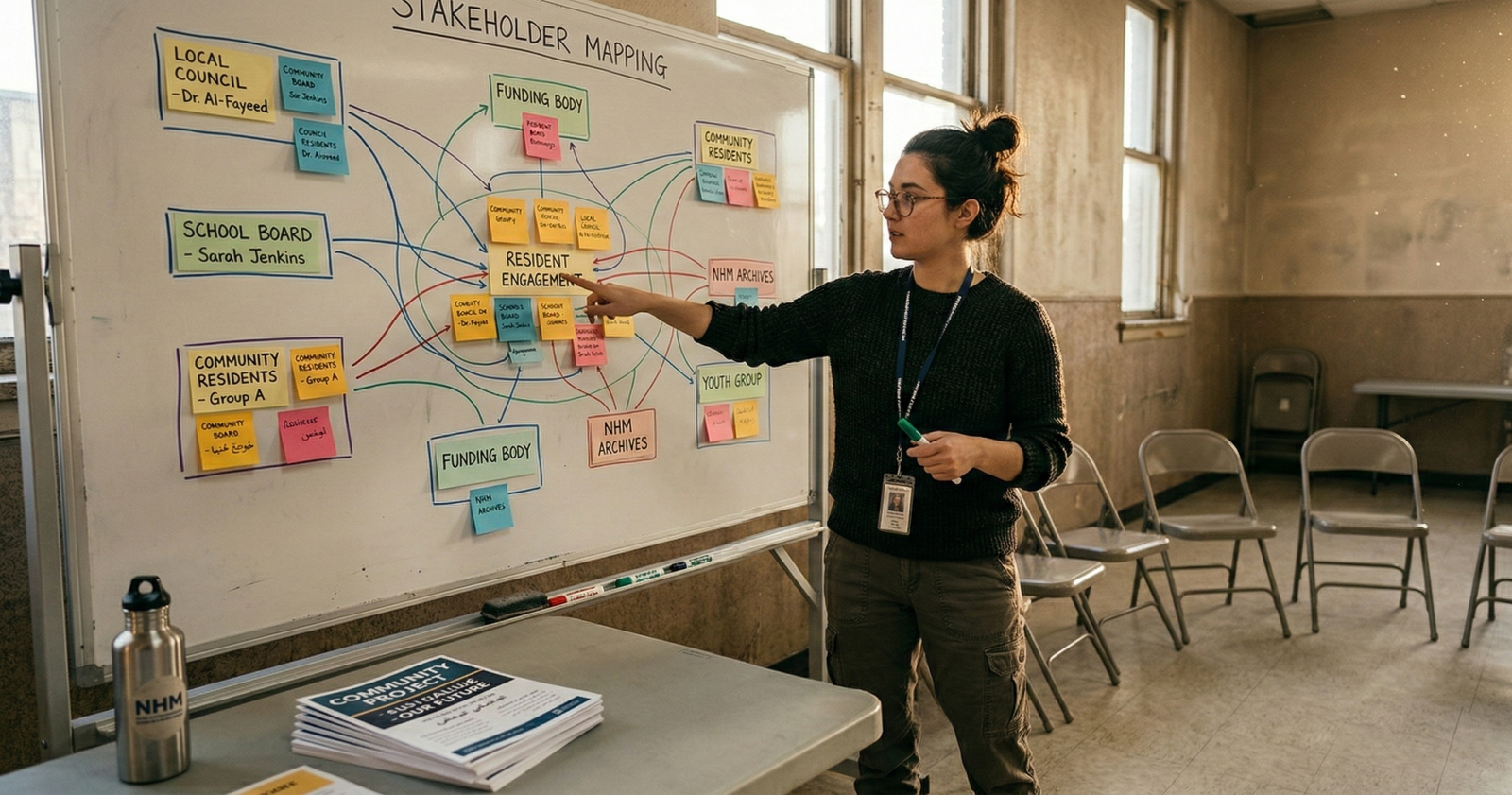
If you're drawn to mission-driven work, program management is where you'd land. You'd design community programs, evaluate whether they're working, write grant proposals, and coordinate with stakeholders. Salaries range from $45K to $65K depending on the org and location. Your training in participatory research and community engagement translates directly.
Public Health Educator
Public health educators build outreach campaigns, develop health literacy materials, and work alongside communities to improve outcomes. The BLS puts the median at $62,860 with 7% projected growth. If you've taken medical anthropology courses, you already speak the language of this field. Local health departments, the CDC, and global organizations like WHO all hire for these roles. For hands-on healthcare experience, TruBridge's Healthcare Data Analytics Externship lets you work with real patient and operational data.
Policy Analyst or Research Associate
Policy analysts turn research into recommendations that shape real decisions. Think tanks, government agencies, advocacy organizations. You'd conduct qualitative interviews, write policy briefs, and present findings to people who can actually act on them. Salaries fall between $50K and $75K at entry and mid-level.
Human Resources Specialist
This one surprises people. But HR teams increasingly need professionals who understand organizational culture, group dynamics, and cross-cultural communication. The BLS reports a median of $67,650. As companies pour money into DEI and employee experience, having someone who actually studied how groups function (rather than just reading a LinkedIn article about it) becomes valuable. Amazon's People Analytics Externship is a good example of the kind of people-and-operations work that maps directly to HR roles.
Museum Curator or Cultural Heritage Manager
Okay, this is the "classic" anthropology career. It's also the most competitive path on this list. Entry-level curatorial positions pay $40K to $55K, and most major institutions want a master's degree. I won't sugarcoat it: if this is your goal, plan on graduate school and start building collections management experience now.
Community Development Coordinator
Community development coordinators work with local governments, NGOs, and neighborhood organizations on housing, education, health, and economic projects. Salaries range from $42K to $60K. What makes anthropology grads stand out here is the fieldwork mindset. You're trained to work within a community, not from above it. That matters more than most job descriptions let on.
Environmental Compliance or Sustainability Analyst
Growing field. Environmental compliance analysts handle cultural impact assessments, environmental justice work, and ESG reporting. Salaries run $50K to $70K, and demand is rising as companies face tighter sustainability regulations. If you care about the intersection of culture and environmental policy, this is worth looking into. Schreiber Foods' Zero Waste Sustainability Strategy Externship gives you real project experience in exactly this space.
Foreign Service or International Development
For the globally minded: the State Department, USAID, Peace Corps, and international NGOs all value cross-cultural competence as a core qualification. Compensation varies wildly (Peace Corps stipends vs. six-figure diplomatic salaries), but the entry point is real for anthropology grads who can demonstrate language skills and fieldwork experience.
What Skills Do Anthropology Majors Actually Bring?
Here's the uncomfortable truth. The biggest thing holding most anthropology grads back isn't a lack of skills. It's not knowing how to describe what they can do in words that make sense to a hiring manager. So let's translate.
Research Design and Qualitative Methods
You know how to build a study from nothing: frame the right questions, pick the right methods, collect data, and make sense of it. In job-market terms, that's "qualitative research," "primary research," and "mixed methods." Companies pay real money for people who can run interviews, facilitate focus groups, and do observational research. If you've used NVivo or Atlas.ti for coding data, put that on your resume immediately.
Cross-Cultural Communication and Adaptability
Fieldwork forces you to navigate unfamiliar environments, earn trust with people who don't know you, and communicate across cultural lines. In a workplace, that means collaborating with global teams, contributing to DEI initiatives, and adjusting fast when the environment shifts. These show up on every "most desired skills" list from NACE and LinkedIn for a reason.
Data Analysis and Critical Thinking
The "anthropology students can't do data" thing is outdated. If you've coded interview transcripts, identified thematic patterns, or run even basic statistical analysis, you have data skills. R, Python, SPSS, Excel pivot tables. Whatever you used in a methods class counts. Put it on your resume with a concrete framing: "Analyzed 50+ interview transcripts using thematic coding in NVivo."
Which Industries Are Hiring Anthropology Graduates?
Anthropology grads end up in more sectors than you'd guess. Three stand out right now.
Tech and Product Development
Tech companies hire anthropologists for UX research, product strategy, and design teams. Google, Meta, Microsoft, and a growing list of startups all employ researchers with anthropology backgrounds. This is the highest-paying track for most anthro grads, especially if you build a research portfolio early.
Healthcare and Public Health
Hospitals, health departments, the CDC, and organizations like WHO need people who understand the cultural side of health. Roles include patient experience research, health equity work, community outreach, and program evaluation. Medical anthropology coursework is your direct gateway.
Government and Nonprofits
Federal agencies (USAID, HHS, State Department), state and local governments, and nonprofits hire for policy research, program management, and community engagement. USAJobs, Idealist, and the AAA career center are where you should be looking.
How Do You Actually Land Your First Anthropology Job?
Most of these careers are accessible. You just need to be strategic about experience and positioning. Here's where to focus your energy.
Build Real Experience Before You Graduate
This is the single biggest lever you have. According to NACE's 2025 Job Outlook survey, 91% of employers prefer candidates with relevant experience. For anthropology students, that means applying your research skills in real settings before you walk across the stage.
One practical route: Externships. Through Extern, you can take on guided, project-based professional experiences with real companies, working on projects that belong on a resume. Anthropology students are a strong fit for Externships in Pinterest Gen Z Consumer Behavior, healthcare analytics at TruBridge, people analytics at Amazon, or product management at BeReal. Research assistantships, applied volunteer work, and independent fieldwork projects count too. The point is doing something — anything — before someone has to take a chance on you with zero track record.
Translate Your Resume for Non-Academic Employers
This is where most anthropology grads fumble. You list your experience in academic language that only your thesis advisor would appreciate.
Before: "Conducted ethnographic fieldwork examining kinship structures in rural communities."
After: "Led 25+ qualitative interviews and observational research sessions to analyze community social dynamics and behavioral patterns."
Same exact experience. Completely different response from a hiring manager. For more on framing your skills, check out our guide to skills to put on your resume in 2026.
Target the Right Job Boards and Networks
Don't just scroll Indeed. Specialized platforms surface roles where your background is an asset, not a question mark.
• AnthroJobs (American Anthropological Association career board)
• Idealist for nonprofit and social impact roles
• USAJobs for federal government positions
• LinkedIn UX Research groups for tech-adjacent roles
• Handshake for entry-level and early-career positions
And honestly, networking within applied anthropology circles (NAPA, SfAA conferences) opens doors that no job board can. If you can attend even one conference, do it.
Do You Need a Graduate Degree in Anthropology?
It depends entirely on where you want to end up. Here's the honest version.
Careers You Can Start With a Bachelor's
Most of the roles in this guide are reachable with a BA and relevant experience. UX research, market research, HR, nonprofit management, community development, public health education. None of them require a master's for entry-level positions. The differentiator isn't your degree level. It's whether you've done the work to show you can actually do the job. If you're wondering how to close that experience gap, this piece on why entry-level jobs require experience lays it out clearly.
When a Master's or PhD Actually Makes Sense
Grad school is worth it if you want to teach at the university level, lead curatorial departments at major museums, practice forensic anthropology, or do Cultural Resource Management archaeology. But be honest with yourself about the academic job market: tenure-track positions are shrinking, and the competition is intense. Go for the PhD because you genuinely love the research, not because you're avoiding the question of what to do next.
How Does Anthropology Stack Up Against Other Social Science Degrees?
There's real overlap between anthropology and its neighboring disciplines, but each has its own strengths.
| Degree | Core Method | Strongest Career Paths | Median Entry Salary |
|---|---|---|---|
| Anthropology | Qualitative / Ethnography | UX Research, Cultural Consulting, International Dev | $48K–$65K |
| Sociology | Quantitative / Surveys | Data Analytics, Social Work, Policy Research | $45K–$60K |
| Psychology | Experimental / Clinical | Counseling, Org Psych, Clinical Practice (grad) | $45K–$58K |
| History | Archival / Analytical Writing | Education, Publishing, Policy Research | $42K–$55K |
| Political Science | Comparative / Institutional | Government, Law (grad), Campaign Strategy | $45K–$60K |
Anthropology leans into qualitative, immersive cultural research. It's the strongest path to UX research and cultural consulting.
Sociology tilts toward large-scale quantitative analysis and leads more naturally into data analytics and social work.
Psychology centers on individual behavior and cognition, with clear routes to clinical practice, counseling, and organizational psych.
History builds archival research and analytical writing skills, feeding into education, publishing, and policy work.
All four develop research, writing, and critical thinking. The real question is method: do you want to study cultures up close (anthropology), institutions at scale (sociology), individual minds (psychology), or the past (history)?
FAQs
Is an anthropology degree worth it?
It can be, if you're strategic. Anthropology grads work in UX research, market analysis, public health, and nonprofit management. The degree builds research and communication skills employers genuinely need. But the degree alone won't carry you. Getting hands-on experience before graduating is what separates strong outcomes from frustrating ones.
What's the highest paying anthropology career?
UX and design researchers at major tech companies earn $80K to $130K at mid-career. Senior market research analysts and consultants with anthropology backgrounds reach $90K to $120K. Both roles directly use ethnographic research training. A master's degree and a few years of experience push you toward the top of those ranges.
Can you get hired with just a bachelor's in anthropology?
Yes. UX research, market research, nonprofit coordination, HR, community development, and public health education all hire BA holders at the entry level. The positions that typically need graduate degrees are academic roles, senior museum curation, and forensic anthropology. Real project experience during college is what makes the difference.
What's the difference between anthropology and sociology?
Anthropology studies cultures through immersive qualitative methods like ethnography, typically focusing on smaller groups in depth. Sociology examines social structures using larger-scale quantitative approaches like surveys and statistical modeling. Career paths overlap in research and nonprofit work, but anthropology tends to lead more strongly into UX research and cultural consulting.
How can I make my anthropology degree more marketable?
Focus on three things. First, get real-world experience through Externships, research assistantships, or applied fieldwork before you graduate. Second, pick up one technical skill that complements your qualitative training: R, Python, survey design, or a UX prototyping tool. Third, rewrite every line of your resume in business language, not academic language.
Ready to start building professional experience before graduation? Explore Externships → and get the kind of resume-ready projects that make hiring managers actually pay attention.
About the Author
Bifei Wang has spent 17 years focused on human flow and the growth of young professionals, spanning international education, career training and coaching, and recruitment process outsourcing. Over 7 years at Extern, he has had one-on-one sessions with thousands of students exploring careers in consulting, finance, tech, marketing, and data, giving him a firsthand view of how the job market has shifted for early-career professionals and what it actually takes to break in.