Last updated: November 2026
No U.S. Fish and Wildlife Service student internship is open on USAJOBS as of 11 November 2026. The Service posted 20 paid Pathways "Student Trainee" announcements in 2023 and 20 in 2024, according to the USAJOBS historic announcement data. It posted 1 in 2025, and that one was canceled, then 1 so far in 2026. The newest, a Biological Sciences Student Trainee in Baring, Maine paying $50,460 to $80,243 a year (GS-7 to GS-9), was open from 10/02 to 10/15/2026, with a cap that could close it at 50 applications. In plain words: you apply when an office posts, most likely between now and spring 2027, and you intern in summer 2027.
Quick Facts
| Fact | Detail |
|---|---|
| Where to apply | USAJOBS, Fish and Wildlife Service student trainee search (the link on fws.gov/intern). Save it with email alerts. Partner internships apply through the partner, listed on the FWS internships page. |
| Application window (2027–28) | No posting is open on 11 Nov 2026. Pathways postings for summer 2027 are expected per office at any time, with past clusters in Jan to Mar and Oct to Dec (low confidence, since volume fell to 1 a year). Spring 2027 Semester of Service: 16 Oct to 29 Oct or 5 Nov 2026, closed. |
| Rolling? | No. Each announcement has its own short window, often one to two weeks, and some close early on an application cap (50 on the October 2026 Pathways posting). |
| Eligibility | Pathways: enrolled or accepted at least half-time at a qualifying school, including high school per fws.gov/intern; citizenship wording varies by posting. Semester of Service: U.S. citizen or national, junior or above, graduating on or after 1 May 2027. |
| Duration | Pathways: most appointments are expected to continue through your degree with flexible schedules. Semester of Service: a 90-day term between mid-January and mid-June 2027, 8 to 20 hours a week. |
| Compensation | Pathways is paid on the GS scale: GS-07 $50,460 to $65,599 and GS-09 $61,722 to $80,243 a year (Oct 2026); $17 to $31.84 an hour in 2024 postings. Semester of Service: "$0 - $0 without compensation". |
| Return offers | Pathways conversion "is neither mandatory nor guaranteed": 480 hours, degree completion and a supervisor recommendation, within 180 days. Partner internships of 640 hours earn a 2-year non-competitive hiring authority. No conversion rate is published. |
| Locations | Field offices, refuges and hatcheries nationwide; one 2024 posting listed 23 locations from Alaska to Alabama. Mostly on-site field work. |
| # Programs | Pathways Internship Program, Semester of Service and partner internships under Public Lands Corps authority, such as American Conservation Experience EPIC. |
Nothing is open today: the last paid Pathways posting closed 15 October 2026 and the unpaid Spring 2027 Semester of Service projects closed 29 October and 5 November 2026, so a saved USAJOBS search is the way to catch the next one.
Externships are short, remote programs where you finish a real project for a real company, most commonly over 8 weeks at 5 to 10 hours a week. The Health Research & Data Analytics Externship with ARCeH builds the environmental data skills in Fish and Wildlife Service job descriptions, and the SQL & Database Architecture Externship with Breaking Games fits its database work. Explore all Externships.
What Is a U.S. Fish and Wildlife Service Internship?
A U.S. Fish and Wildlife Service internship is a student role with the Interior Department bureau that runs "570 national wildlife refuges, 70 fish hatcheries, and 20 million acres of wilderness," per fws.gov. The Service describes two kinds: its own federal internships and those "offered through nongovernmental partner organizations" (FWS internships page). The federal one that pays is the Pathways Internship Program, posted on USAJOBS as "Student Trainee" jobs in biology, administration, visitor services, communications and engineering. The Semester of Service is a government-wide unpaid student program, and the Service posts its own projects under it. Partner internships, such as American Conservation Experience's EPIC program, are run and paid by the partner, not the Service.

When Do U.S. Fish and Wildlife Service Internship Applications Open for 2027–2028?
The Service has no single recruiting season. Pathways announcements are posted office by office on USAJOBS and usually stay open one to two weeks. In 2023, 11 of the 20 opened in January to March; in 2024, 7 opened in January to April and 5 in October to December. Volume then fell to 1 announcement in 2025, which was canceled, and 1 in October 2026, so treat any projected window as low confidence. The Semester of Service runs on terms: the Spring 2027 projects opened on 16 October 2026 for a term starting in mid-January, a lead of about 3 months, and no fall 2027 window has been announced.
No student posting is open. The October Pathways posting closed on 15 October 2026, and the 11 Spring 2027 Semester of Service projects closed on 29 October and 5 November 2026; their status is "Applications under review". Set up your USAJOBS profile and saved search now.
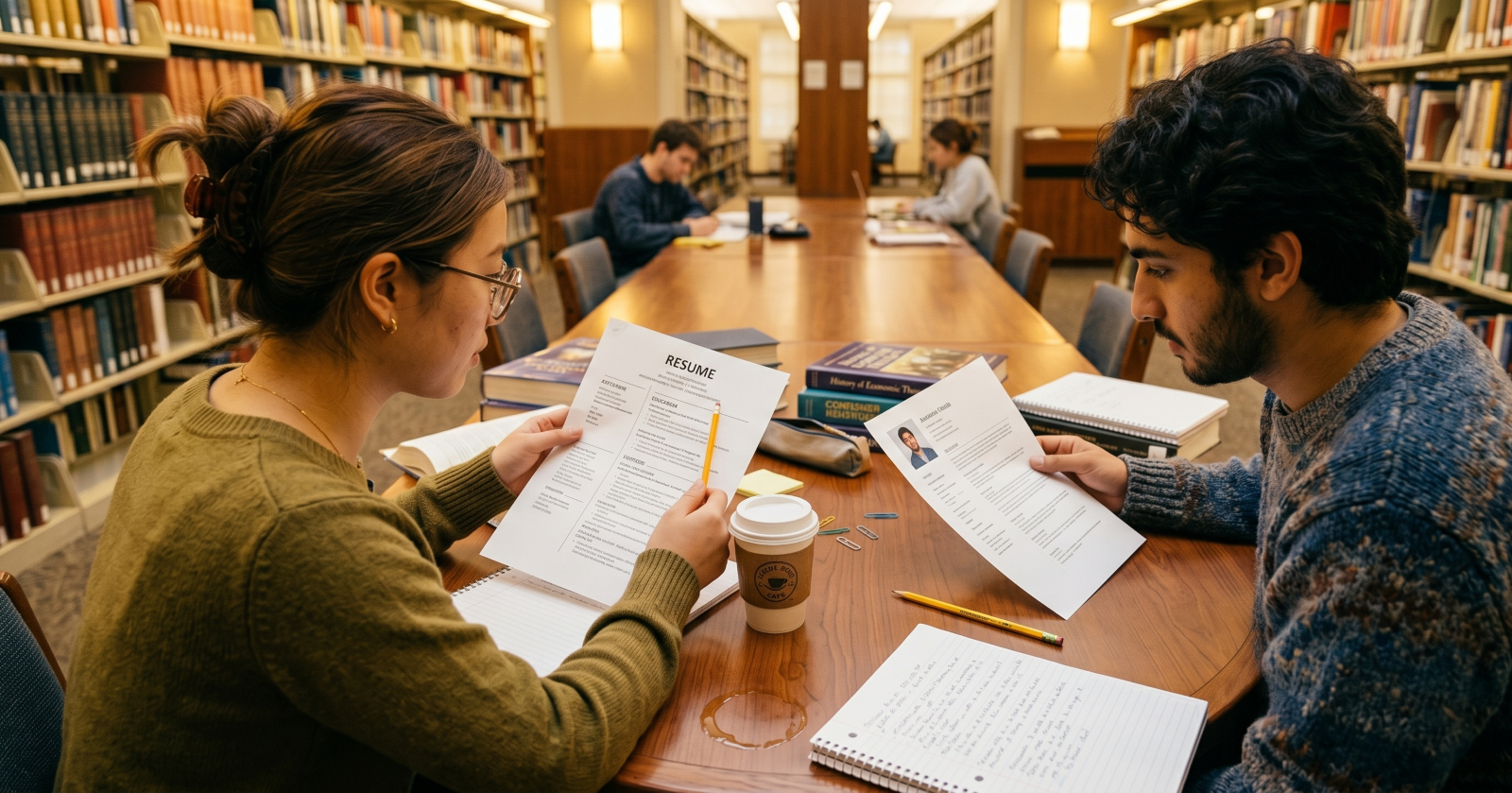
Prepare a federal resume in the format FWS asks for, with hours per week and supervisor contact for each job, and keep a current transcript ready. In 2024, five Student Trainee announcements opened between October and December.
Expected, low confidence: Pathways postings for summer 2027 field seasons. This was the busiest stretch in 2023 and 2024, but the Service has posted only 1 student announcement a year since. The Spring 2027 Semester of Service term starts in mid-January.
Expected: further one-off Pathways postings from individual offices, as in June, August and September 2024. A fall 2027 Semester of Service window hasn't been announced.
Pathways interns work in the field or office set by their posting. After 480 hours and degree completion, an intern may be converted within 180 days, though the Service says conversion is not guaranteed.
How to read this page: our dates come from tracking previous recruiting cycles and daily posting data. Treat them as informed estimates based on historical patterns, not confirmed dates. The company's official careers page is always the most current source. If a role is posted there, go by that, even if this page suggests the window hasn't opened yet.
Why You Must Apply the Week Applications Open
Fish and Wildlife Service postings are short windows, not rolling reviews. The October 2026 Pathways announcement was open for two weeks and stated it would close once it had received 50 applications, "which may be sooner than the closing date." A Spring 2027 Semester of Service project was capped at 15 applications. With only one Pathways posting a year lately, a missed alert can mean a missed year, so have your resume and transcript uploaded before anything opens.
Which U.S. Fish and Wildlife Service Internship Programs Should You Target?
The routes differ on pay, employer and who can apply, so check which one a listing belongs to.
| Program | Focus | Duration | Key skills |
|---|---|---|---|
| Pathways Internship Program (paid) | Student Trainee jobs in biological sciences, admin support, visitor services, communications, engineering | Indefinite; most continue through your degree | Field surveys, databases, outreach |
| Semester of Service (unpaid) | Project work at refuges, repositories and program centers; 11 projects for Spring 2027 | 90 days, 8–20 hrs/week, mid-Jan to mid-Jun 2027 | Research, outreach, data |
| Partner internships (e.g. ACE EPIC) | Placements run and paid by nonprofit partners; 640 hours earn Public Lands Corps hiring authority | Set by the partner | Varies by placement |
| Recent Graduates Program | Pathways route for people within two years of graduating; a next step, not an internship | Set by posting | Varies |
Program rules are on the FWS Pathways page and the Public Land Corps page; questions go to connect@fws.gov.
What Are the Eligibility Requirements?
Each route has its own rules. These come from the Service's own pages and its USAJOBS announcements.
• Pathways enrollment: enrolled or accepted at least half-time, in good standing, at a qualifying school; fws.gov/intern includes "high school, college or technical school." A transcript or acceptance notice is required.
• Pathways citizenship: the 2024 postings said "Must be a U.S. Citizen or National"; the October 2026 posting also allowed a foreign national who meets immigration and appropriations law. Conversion to a permanent job requires U.S. citizenship.
• Pathways extras: background check, Selective Service registration where it applies, a signed Pathways Participant Agreement, and on the 2026 posting a valid driver's license.
• Semester of Service: U.S. citizen or national, junior or above, at least half-time at a U.S. school; "Students graduating before May 1, 2027 are not eligible"; current federal employees can't apply.
• Partner route (Public Lands Corps): ages 16 to 30 when service begins (veterans up to 35), U.S. citizen or permanent legal resident.
Is There a GPA Cutoff?
The Service doesn't publish one. Pathways asks for good academic standing and a transcript, and federal grade levels set their own education or experience requirements in each announcement, so read the qualifications section of the posting you apply to.
What Skills Does the U.S. Fish and Wildlife Service Look For, and How Do You Build Them?
Across five Pathways job descriptions from 2024 and 2026, three skills come up most: field surveys, such as "conduct fish and wildlife and/or plant surveys and monitoring"; databases, "Uses a variety of databases and reporting systems to store, compile, and analyze data"; and public outreach, from leading tours to meeting partners. The 2026 posting adds geospatial analysis and "data visualization methods and techniques." Five is a small sample, so read it as a guide to the work, not a scorecard.
What U.S. Fish and Wildlife Service looks for in interns
Skills across 5 U.S. Fish and Wildlife Service intern & analyst job descriptions · Pathways Student Trainee postings, 2024 and 2026
Method: full-text reading of five Fish and Wildlife Service Pathways Student Trainee announcements on USAJOBS (biological sciences in 2024 and 2026, admin support and investigation in 2024). Two of the biology postings share a duty template, which lifts their shared skills. Small sample.
How Is Demand for Environmental Interns Moving Right Now?
Environmental intern postings · Jul–Oct 2026
all internships 2.5×
For U.S. Fish and Wildlife Service applicants: the Service posts on USAJOBS, which this card doesn't cover. On 11 November 2026 none of its open USAJOBS announcements was a student role, so a saved USAJOBS search is your alert.
Daily US job-posting counts, Jul–Oct 2026; each bar is that month's daily average. Growth = October vs July; “all internships” = the 48 intern searches tracked across the whole period. Covers under half of US postings; shows direction, not market size.
Build These Skills Before You Apply
Each row ties a duty from a real Fish and Wildlife Service posting to a remote Externship that gives you a finished project to describe.
| Skill (from real JDs) | JD evidence | Externship that builds it |
|---|---|---|
| Environmental data analysis | "collects and processes field specimens"; "preliminary analysis of quantitative and qualitative data" (Biological Sciences, 2026) | Health Research & Data Analytics with ARCeH |
| Databases | "Uses a variety of databases and reporting systems to store, compile, and analyze data" (Biological Sciences, 2024) | SQL & Database Architecture with Breaking Games |
| Data visualization and reports | "data visualization methods and techniques" (2026); "Develops reports and other materials" (2024) | Juvenile Justice Policy Analyst with CIYJ |
| Public outreach | "providing tours, speaking to civic organizations and groups" (Biological Sciences, 2024) | Beats by Dre Creative Advertising Strategy |
None of these Externships is connected to the Fish and Wildlife Service. They help because a finished project gives you specific results to list on a federal resume.
What Is the U.S. Fish and Wildlife Service Application and Interview Process Like?
The steps below come from the Service's Pathways page and its 2024 and 2026 USAJOBS announcements.
1. Save the search. Use the USAJOBS student trainee search linked from fws.gov/intern (series 0499 and 0399, agency IN15) and turn on email alerts.
2. Build the resume FWS asks for. List start and end dates by month and year, hours worked per week, duties, the employer's address and your supervisor's name and phone for every job. Incomplete resumes can lose consideration.
3. Upload documents. Add your most recent transcript or acceptance letter before a posting opens.
4. Apply inside the window. Answer the announcement's questionnaire; an application cap can close it before the stated date.
5. Review and onboarding. Qualified applicants are referred to the hiring office; selected interns sign a Pathways Participant Agreement and pass a background check.
For partner internships, apply on the partner's site and ask the partner for a Public Lands Corps certificate once you reach 640 hours.
What Students on Reddit Say
Threads on r/wildlifebiology and r/usajobs from 2024 and 2025 are mostly positive about interning with the Service, though they're a few cycles old.
Former interns called the Service a good place to learn. One Career Discovery intern described a week-long orientation and a later workshop with roughly 75 other interns on federal resumes and careers, and a Pathways intern said they were hired into a permanent job after the program. The top comment advised gauging your supervisor in the interview and checking whether the internship counts toward Public Lands Corps.
A student who interned at a small refuge field station later got interview requests for Pathways roles at both refuges and Ecological Services field offices. A commenter said refuge jobs are sought after and moving up can mean relocating, while skills from the policy side transfer easily to land-management agencies.
In a general thread on paid wildlife internships, commenters told a junior not to search only for the word internship. They suggested seasonal technician jobs and partner groups such as the Great Basin Institute, whose recruiter said it places students with federal agencies including the Fish and Wildlife Service.
How Do You Stand Out for a U.S. Fish and Wildlife Service Internship?
First, be ready before a posting appears: profile complete, transcript uploaded and resume in the FWS format, because windows can close in days. Second, show field and data experience with dates and hours, since surveys, databases and outreach lead the job descriptions. Third, keep the partner route open: a partner internship of 640 hours earns Public Lands Corps hiring authority usable at the Service and other agencies. The Service publishes no applicant count, acceptance rate or conversion rate.

What Other Companies Should You Consider?
Students applying to the Fish and Wildlife Service often also look at these federal science agencies and conservation nonprofits.
- National Park ServiceInterior Department sister bureau; paid internships run mostly through partner programsGuide →
- USGSInterior Department science bureau with student trainee and volunteer routesGuide →
- NOAAfederal ocean, fisheries and atmosphere science agencyGuide →
- The Nature Conservancyconservation nonprofit with its own field and policy internshipsGuide →
- World Wildlife Fundglobal conservation nonprofit with US internshipsGuide →
For more federal options and USAJOBS timing, see our government internships summer 2027 guide.
FAQ
Can I still apply for a summer 2026 U.S. Fish and Wildlife Service internship?
No. Summer 2026 has passed, and no student posting is open on USAJOBS as of 11 November 2026. The last Pathways posting closed 15 October 2026 and the Spring 2027 Semester of Service projects closed in late October and early November. Save a USAJOBS alert for summer 2027 Pathways postings, expected per office with low confidence.
Are U.S. Fish and Wildlife Service internships paid?
Pathways internships are paid on the federal GS scale: $17 to $31.84 an hour in 2024 postings, and $50,460 to $80,243 a year for the GS-7 to GS-9 posting in October 2026. The Semester of Service is unpaid, with no stipend or hiring preference. Partner internships pay whatever the partner sets.
When does the U.S. Fish and Wildlife Service post internships?
At no fixed time. Pathways announcements appear office by office on USAJOBS and stay open about one to two weeks. In 2023 and 2024 most opened in January to April or October to December, but the Service posted only one a year in 2025 and 2026, so any projected window is a low-confidence estimate.
Do I need to be a U.S. citizen?
Usually. The 2024 Pathways postings and the Semester of Service require U.S. citizenship or nationality. The October 2026 Pathways posting also accepted a foreign national who meets immigration and appropriations law. Converting to a permanent job after Pathways requires U.S. citizenship, and the partner route accepts citizens and permanent legal residents.
Can a Pathways internship turn into a permanent job?
It can, but it isn't guaranteed. The FWS Pathways page requires 480 hours before you finish your degree, fully successful performance, U.S. citizenship and a supervisor's recommendation, with conversion within 180 days of graduating. Another FWS page cites 640 hours, so confirm with the hiring office. No conversion rate is published.
Can high school students apply?
For Pathways, yes in principle: fws.gov/intern lists students in high school, college or technical school enrolled at least half-time, though each posting sets its own grade-level qualifications. The Semester of Service is limited to college juniors and above. The Public Lands Corps partner route starts at age 16.
What is the Semester of Service?
It's a government-wide unpaid student volunteer program, and the Service posts its own projects under it. For Spring 2027 it posted 11 projects, from habitat restoration in Carlsbad, California, to outreach at Culebra refuge in Puerto Rico. Terms last 90 days at 8 to 20 hours a week, and those applications have closed.
What skills help most for a Fish and Wildlife Service internship?
Field surveys, databases and public outreach appear most often in the five Pathways job descriptions we read. The 2026 biology posting also asks for geospatial analysis and data visualization. Field postings mention rough terrain, camping and lifting up to 50 pounds, so outdoor experience counts as well.
Nothing is open at the Service today, and the next Pathways posting could close within days of appearing. If you want a finished data project on your resume before then, a remote Externship fits around classes at 5 to 10 hours a week.
About the Author
Bifei Wang has spent 17 years focused on human flow and the growth of young professionals, spanning international education, career training and coaching, and recruitment process outsourcing. Over 7 years at Extern, he has had one-on-one sessions with thousands of students exploring careers in consulting, finance, tech, marketing, and data, giving him a firsthand view of how the job market has shifted for early-career professionals and what it actually takes to break in.