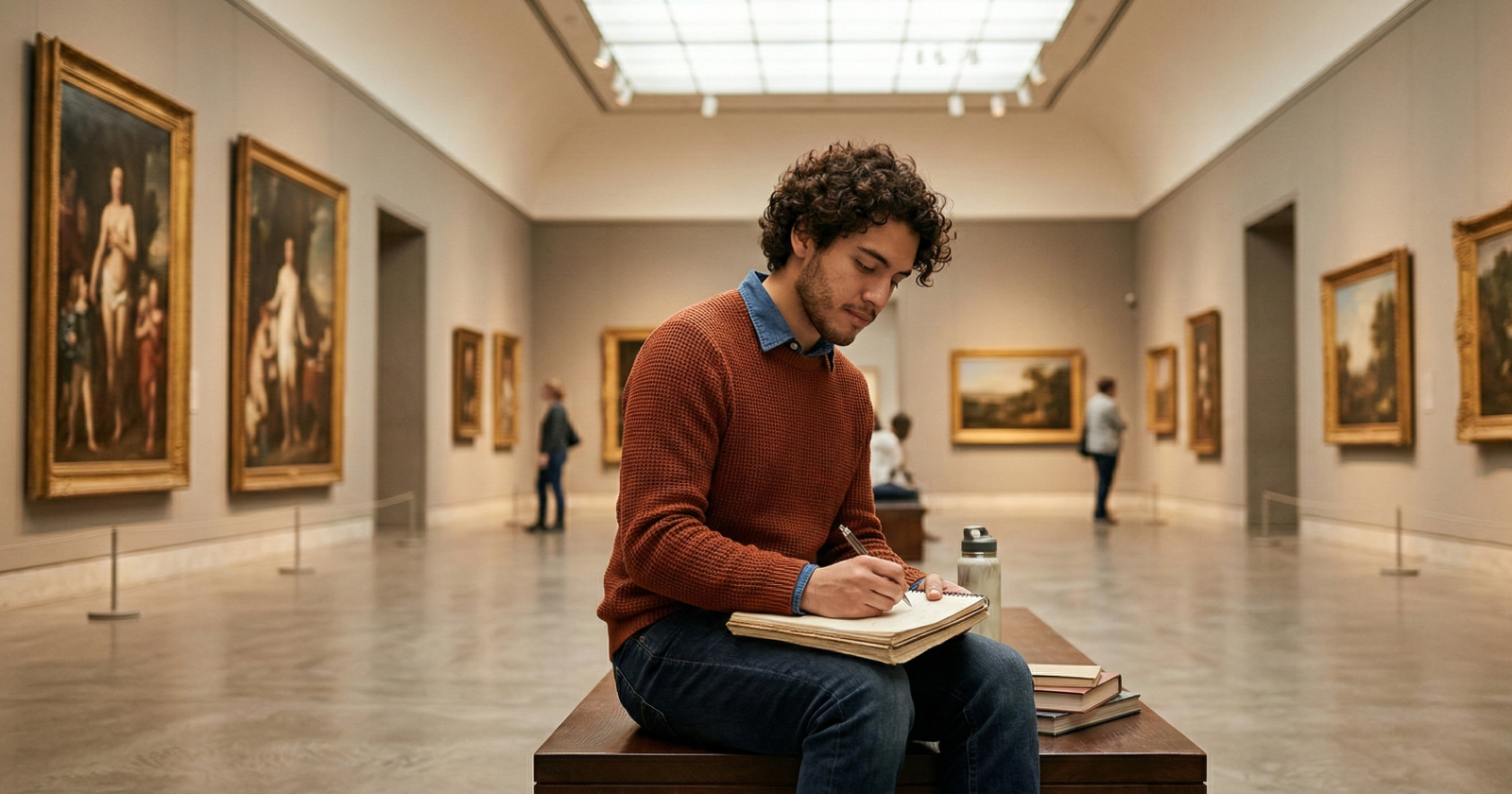
What Can You Do With an Art History Degree? 15 Careers That Actually Use It
TL;DR
• Art history majors build transferable skills (visual analysis, research, persuasive writing, cultural literacy) that employers across industries genuinely want.
• Beyond museums, art history graduates land careers in UX research, brand strategy, auction houses, art law, digital media, education, and consulting.
• Salary for art history careers ranges from $45,000 to $85,000+ depending on the path, with tech and consulting roles trending higher.
• Building professional experience early through Externships, gallery work, or research projects is the single biggest differentiator when landing your first role.
• Your degree taught you to build arguments from visual evidence and communicate complex ideas clearly. That's what hiring managers look for.
Externships are short, remote professional experience programs where you work on real projects with real companies. Several of the careers below are ones where an Externship can give you a head start.

What Skills Do Art History Majors Actually Walk Away With?
Art history majors graduate with visual analysis, research methodology, persuasive writing, and cross-cultural communication skills. Most students don't realize how directly this maps to professional work outside academia.
Here's what you actually spent four years training to do.
Visual Analysis and Critical Thinking
Every paper you wrote about a Renaissance painting or Baroque-to-Modernist architectural comparison? That was pattern recognition practice. Evidence-based reasoning drills. The same cognitive muscles that UX researchers flex when analyzing user behavior, that brand strategists use when evaluating visual identity systems, and that data analysts rely on when reading trends.
You learned to look at something complicated, figure out what matters, and explain why. Employers pay well for that.
Research and Persuasive Writing
Art history students routinely produce 15- to 30-page research papers that pull together primary sources, scholarly debate, and original analysis into one clear argument. That translates directly to content strategy, grant writing, consulting deliverables, and market research reports.
Look at it this way: if you can write a 20-page paper on the political symbolism in Diego Rivera's murals, you can write a brand positioning document. The format changes. The skill doesn't.
Cultural Literacy and Communication
Cultural literacy is understanding how different communities, time periods, and social contexts create meaning. Art history majors build this instinctively over years of studying works across civilizations, regions, and eras.
Professionally, that's a real edge. Global marketing teams, nonprofits, creative agencies, and policy firms all need people who can navigate cultural nuance without stumbling. If you've studied how Buddhist sculpture evolved across Southeast Asia or how the Harlem Renaissance reshaped American visual identity, you already think this way. You just haven't applied it to a job yet.

What Can You Do With an Art History Degree? 15 Career Paths
Art history degree jobs break into three tracks: traditional (museums, galleries, preservation), creative (design, media, content), and cross-industry (tech, consulting, law). Here's what each path actually looks like. If you're exploring related majors too, check out our guide to jobs for history majors.
For creative career paths, our design internships summer 2027 guide highlights top programs, portfolio expectations, and application timelines.
Museum Curator
Curators research, acquire, and manage collections for museums and cultural institutions. Entry-level curatorial assistant roles need a bachelor's degree, though moving up to a full curator position usually takes an MA or PhD. Assistants start around $38,000 to $50,000. Senior curators at places like the Met, MoMA, or the Smithsonian earn $60,000 to $85,000+.
The path is competitive, but every curator started somewhere. Museum volunteer programs, research fellowships, and gallery assistant roles are all real entry points.
Gallery Director or Art Dealer
Gallery directors run commercial art spaces, working with artists, collectors, and buyers. Art dealers operate independently or through auction houses like Christie's and Sotheby's, buying and selling works for clients.
Expect $35,000 to $45,000 for entry-level gallery positions, but experienced directors and dealers earn considerably more through commissions. This is one of the more entrepreneurial paths in the art world.
Art Conservator or Restorer
Conservators combine scientific knowledge with art historical expertise to preserve and restore artworks, textiles, and historic objects. The role typically requires a master's in conservation (NYU, the University of Delaware, and the Courtauld are top programs), plus chemistry coursework.
Here's something most people miss: climate change and natural disasters are increasing demand for professionals who can protect cultural heritage. It's a growing field. Salaries range from $42,000 to $70,000 depending on specialization.
UX Researcher or Designer
This is the career path that surprises most art history majors. UX research relies on skills you've been building for years: observing patterns, analyzing how people interact with visual information, and communicating findings that drive decisions.
Companies like Google, Spotify, and Airbnb hire UX researchers with humanities backgrounds because they bring a different analytical lens than engineers. Starting pay runs $65,000 to $85,000, and senior UX researchers hit $100,000 to $140,000+. A UX bootcamp can help with the transition, but your visual analysis training? That's the hard part, and it can't be taught in 12 weeks.
If you want to test whether UX is right for you before committing to a full bootcamp, a design Externship with Canva lets you work on a real visual design project and build a portfolio piece in the process.
Brand Strategist or Creative Director
Brand strategists define how companies present themselves visually and through narrative. Creative directors execute that vision across campaigns, products, and platforms. Art history majors are strong here because the entire discipline is about understanding how visual choices communicate meaning.
Agencies like Wieden+Kennedy, IDEO, and in-house teams at Nike and Apple hire specifically for cultural fluency and visual thinking. Starting salaries run $50,000 to $65,000, with creative directors earning $90,000 to $150,000+.
Not sure where to start? A brand strategy Externship with TikTok is one way to get real experience in content and brand work while you're still in school.
Art Appraiser or Insurance Specialist
Art appraisers determine the monetary value of artworks for insurance, estates, taxes, and sales. The work requires deep knowledge of art historical periods, market trends, and authentication methods. You'd work with insurance companies, auction houses, private collectors, and estate attorneys.
Stable career, steady demand. Senior appraisers with AAA or ASA credentials earn $60,000 to $90,000+.
Arts Administrator or Nonprofit Manager
Arts administrators handle the business side of cultural organizations: programming, fundraising, budgets, community outreach, and grant writing. Roles exist at museums, galleries, arts councils, theater companies, and cultural nonprofits.
Starting salaries range from $40,000 to $55,000, with executive directors of mid-size organizations earning $70,000 to $100,000+. Grant writing is an especially valuable skill here. Similar to how philosophy majors bring analytical strength to nonprofit work, art history graduates bring cultural knowledge and communication skills to the table.
Content Strategist or Digital Media Producer
Art history trained you to tell stories about visual culture. Content marketing, social media strategy, and digital media production are natural next steps. You already know how to write compellingly about visual subjects, research audience context, and structure narratives.
Content strategists start at $48,000 to $65,000, with senior roles at tech companies and agencies paying $80,000 to $110,000+. If content strategy sounds like your lane, Extern's brand and content Externships let you build a real portfolio deliverable with professional mentorship.
Art Lawyer or Cultural Policy Advisor
Art history plus a law degree opens specialized paths in art repatriation, intellectual property, cultural heritage law, and museum governance. Art lawyers handle cases involving stolen artworks, forgeries, cultural property disputes, and artist contracts.
Yes, you need law school. But your art history background gives you a real edge in understanding the subject matter that most law students lack. Art lawyers at major firms earn $100,000 to $200,000+.
Historic Preservationist or Architectural Historian
Preservationists protect historic buildings, neighborhoods, and cultural landscapes. They work with government agencies, the National Trust for Historic Preservation, state historic preservation offices (SHPOs), and private consulting firms.
A master's in historic preservation helps, but entry-level positions in preservation planning are accessible with a bachelor's. Salaries range from $45,000 to $75,000.
Art Educator or Professor
Teaching art history at the K-12 or college level is a direct application of your degree. Tenure-track university positions are extremely competitive (PhD required), but museum education roles, adjunct teaching, community college positions, and K-12 art teaching with certification are more accessible.
Museum educators earn $40,000 to $60,000. Community college instructors typically earn $45,000 to $65,000.
Auction House Specialist
Specialists at Christie's, Sotheby's, and Phillips catalog artworks, research provenance, authenticate pieces, and manage client relationships. These roles blend art historical knowledge with business development.
Entry-level cataloguer positions start around $40,000 to $50,000 and require a BA in art history. Senior specialists earn significantly more, especially with commissions factored in.
Publishing and Art Criticism
Art critics, editors, and writers work for publications like Artforum, Frieze, Hyperallergic, and university presses. Freelance art criticism works too, especially with a strong online presence.
Honestly, a portfolio of published writing matters more than any credential. Start a blog, pitch to online art publications, contribute reviews to campus newspapers. Build clips while you're still in school. Full-time editorial roles pay $35,000 to $70,000+.
Corporate Consultant or Cultural Advisor
More companies are hiring cultural consultants for global marketing campaigns, DEI initiatives, corporate art collection management, and brand identity projects. Art history graduates understand context, narrative, and how visual symbols carry different meanings across cultures.
This niche is growing. Full-time corporate cultural roles pay $55,000 to $90,000+.
Archivist or Digital Collections Manager
Libraries, museums, and universities need people to organize, digitize, and manage physical and digital collections. The field is growing as institutions invest in making their collections accessible online.
A master's in library science (MLIS) with an archival focus is the standard path, but entry-level digital project roles are doable with a BA plus tech skills. Salaries range from $42,000 to $65,000.

How Much Do Art History Majors Actually Make?
Art history majors earn between $35,000 and $150,000+ depending entirely on career path. BLS data shows archivists and curators at a median salary of $52,800, art directors at $106,500, and UX researchers at $84,000.
The "art history doesn't pay" thing comes from averaging all graduates without accounting for career choice. An art history major who becomes a UX researcher at a tech company makes a completely different salary than someone in an entry-level museum assistant role. The degree doesn't set your salary. Your career decisions do.
| Career Path | BLS Occupation (Proxy) | Median Salary | Job Outlook (2024–2034) |
|---|---|---|---|
| Museum Curator | Archivists, Curators, Museum Workers | $57,100 | 6% (faster than avg) |
| Gallery Director | Art Directors | $111,040 | 4% |
| Art Conservator | Archivists, Curators, Museum Workers | $57,100 | 6% |
| UX Researcher | Web & Digital Interface Designers | $98,090 | 7% (faster than avg) |
| Brand Strategist / Creative Director | Art Directors | $111,040 | 4% |
| Art Appraiser | Property Appraisers & Assessors | $65,420 | 4% |
| Arts Administrator | Social & Community Service Managers | $78,240 | 6% |
| Content Strategist | Technical Writers | $91,670 | 1% |
| Art Lawyer | Lawyers | $151,160 | 4% |
| Historic Preservationist | Historians | $74,050 | 2% |
| Art Educator (College) | Postsecondary Teachers | $83,980 | 7% |
| Art Educator (K-12) | High School Teachers | $64,580 | -2% |
| Auction House Specialist | Property Appraisers & Assessors | $65,420 | 4% |
| Publishing / Art Critic | Writers & Authors | $72,270 | 4% |
| Corporate Consultant | Management Analysts | $101,190 | 9% (much faster) |
| Archivist / Collections Manager | Archivists, Curators, Museum Workers | $57,100 | 6% |
Like psychology majors and other humanities grads, art history students who build professional experience early tend to earn more and advance faster.
How to Build Experience as an Art History Major
The three best ways to get professional experience as an art history student are remote Externships, museum and gallery volunteering, and building an independent portfolio. Your degree gives you the skills. Experience proves you can actually use them.
Externships and Remote Professional Experience
Campus career fairs tend to focus on business, engineering, and finance. Art history students often feel invisible during on-campus recruiting. That's where Externships come in.
Extern connects students with real professional experience at companies in marketing, brand strategy, content creation, and more. For art history majors, an Externship in brand strategy at TikTok or a visual design project with Canva is a direct way to build resume-ready experience that connects your classroom skills to a professional context.
They're remote, flexible, and designed to give you a real deliverable you can show employers.
Museum and Gallery Volunteering
Volunteering at a local museum, gallery, or cultural organization is still one of the best entry points into the art world. It costs nothing, builds real connections, and gives you firsthand experience with how institutions run.
Plenty of curators, gallery directors, and arts administrators started exactly this way. Ask about curatorial research projects, exhibition setup, docent training, or digital cataloging. Even 5 to 10 hours a week for one semester adds up.
Building a Portfolio of Work
You don't need a "creative" job title to have a portfolio. Art history students can pull together research papers, exhibition proposals, catalog essays, digital humanities projects, and critical writing samples.
A clean PDF or simple personal website with 5 to 8 strong samples is enough. Add a brief description of each project, the skills it shows, and what came out of it. Not sure how to frame your academic work for employers? Our guides on writing a resume with no experience and skills to put on your resume can help you translate what you've done into language recruiters actually recognize.
Is an Art History Degree Worth It?
An art history degree is worth it if you're intentional about using the skills it builds. The "useless degree" label is outdated and doesn't match the actual outcomes of graduates who build professional experience during college.
Here's the honest version: your degree alone won't get you hired. Neither will a business degree, or a communications degree, or most bachelor's degrees. What gets you hired is the combination of skills, experience, and the ability to explain your value. Art history teaches all three. But you have to put them to work.
The graduates who struggle are the ones who wait until after graduation to think about career applications. The ones who land well? They volunteer at galleries sophomore year, complete an Externship junior year, and graduate with a portfolio.
Your art history degree trained you to think critically about visual and cultural information, write persuasively, run rigorous research, and communicate across contexts. Those are not soft skills. They're exactly what employers in tech, media, consulting, nonprofits, and creative industries are paying for.

Art History Careers FAQs
What jobs can I get with just a bachelor's in art history?
A bachelor's in art history qualifies you for entry-level roles in museums, galleries, auction houses, publishing, arts administration, and content strategy. Employers value the research, writing, and visual analysis skills you built, not just the degree title. Corporate roles in brand strategy, UX research, and digital media are increasingly open to art history graduates. Curator and conservation roles typically expect an MA, but plenty of career paths start with a BA.
Do art history majors make good money?
Art history salaries range widely by career path. Museum and gallery roles start around $40,000 to $55,000, while corporate roles in UX, brand strategy, or consulting pay $70,000 to $100,000+. The deciding factor isn't your degree. It's the career you build with it. Art history graduates in tech, consulting, or law often earn salaries comparable to business majors.
Is art history a dying field?
Art history is evolving, not dying. Traditional museum positions are competitive, sure. But new career paths are growing fast: digital collections, cultural consulting, UX research, and content strategy all draw on art history skills. Demand for people who understand visual culture, analyze complex information, and communicate persuasively is actually increasing across industries.
Can I work in tech with an art history degree?
Yes. More art history graduates are doing this every year. Tech companies hire UX researchers, content strategists, brand designers, and product managers who bring visual thinking and cultural analysis. Companies like Google, Apple, and Airbnb recruit humanities graduates for roles where understanding human behavior and cultural context matters just as much as technical chops.
How do I get experience if museums don't hire entry-level?
Start with remote professional experience programs like Externships, which give you real project work with companies in marketing, strategy, and creative fields. Volunteer at local galleries, apply for museum programs (many are paid), or build a portfolio through independent research. The goal is proving you can apply your skills in a professional setting. Where you do it matters less than the work itself.
About the Author
Bifei Wang has spent 17 years focused on human flow and the growth of young professionals, spanning international education, career training and coaching, and recruitment process outsourcing. Over 7 years at Extern, he has had one-on-one sessions with thousands of students exploring careers in consulting, finance, tech, marketing, and data, giving him a firsthand view of how the job market has shifted for early-career professionals and what it actually takes to break in.